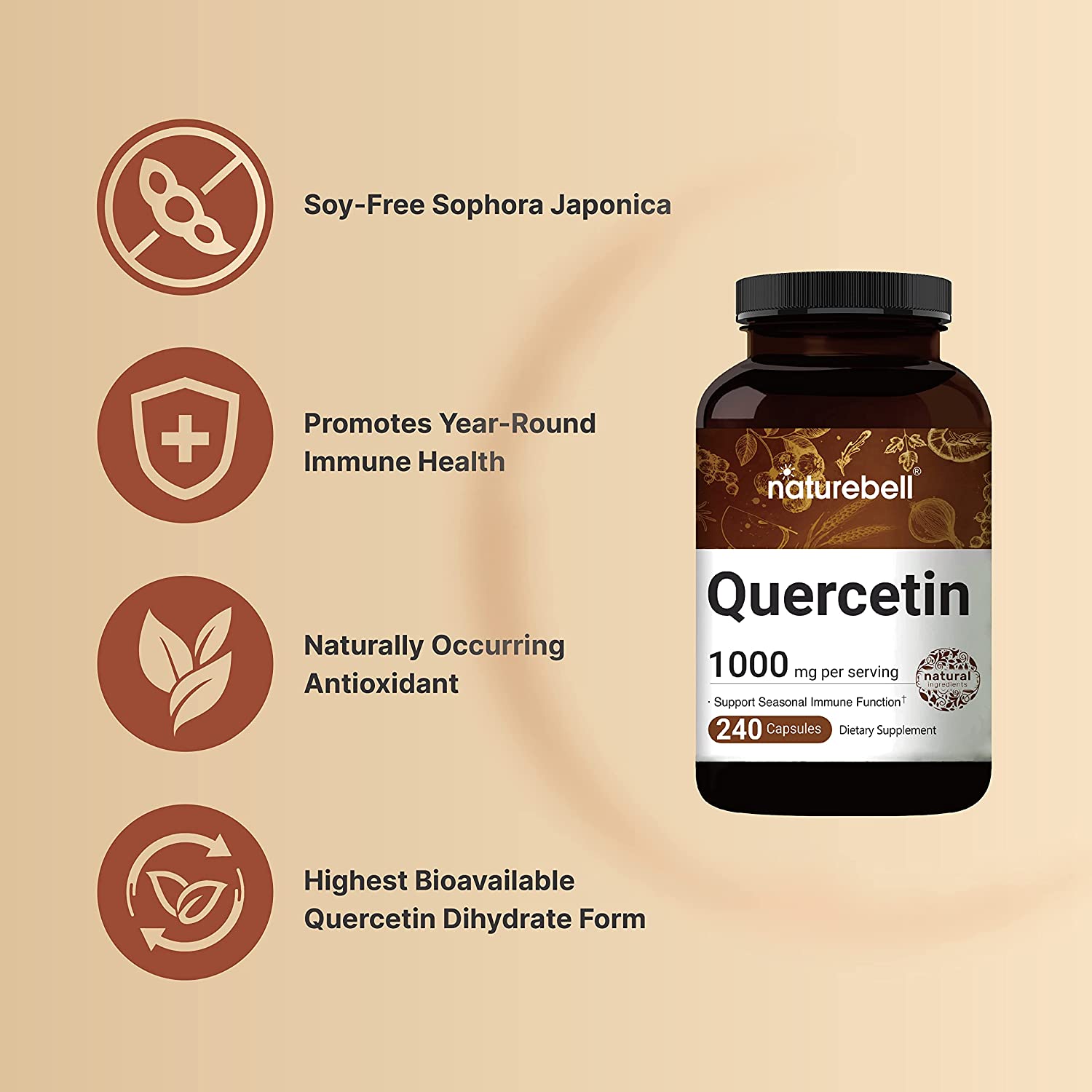
Quercetin - Nature's Answer to Hydroxychloroquine
Hydroxychloroquine (HCQ), sold under the brand name Plaquenil among others, is a medication used for the prevention and treatment of certain types of malaria. Specifically it is used for chloroquine-sensitive malaria. Other uses include treatment of rheumatoid arthritis, lupus, and porphyria cutanea tarda. It is taken by mouth.
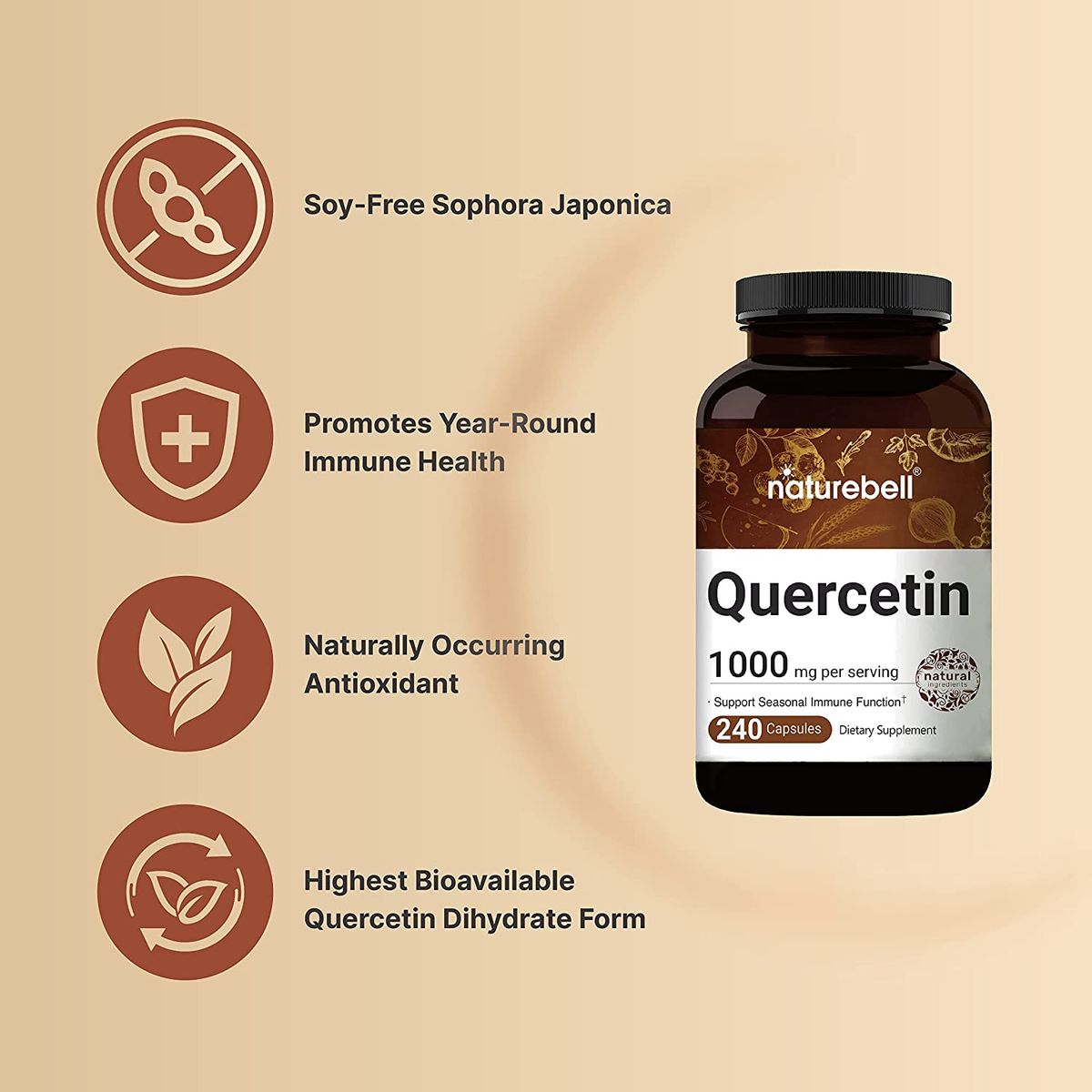
Quercetin is a plant-based flavonoid that can be found in a variety of fruits, vegetables, and herbs. It’s also available in supplement form. Quercetin has a range of potential health benefits, including reducing inflammation, relieving allergy symptoms, and protecting against exercise-induced oxidative stress.
While HCQ has been shown to be effective in the treatment of malaria, lupus, and rheumatoid arthritis, its use has been associated with a number of serious side effects, including vision loss and an increased risk of death. For this reason, many people are looking for natural alternatives to HCQ. One such alternative is quercetin.
A number of studies have investigated the efficacy of quercetin in the treatment of various conditions. For example, one study showed that quercetin was as effective as HCQ in the treatment of patients with active rheumatoid arthritis (RA). Additionally, another study found that quercetin was more effective than HCQ in reducing disease activity in patients with RA who had failed to respond to HCQ therapy.
If you’re looking for a natural alternative to HCQ, quercetin may be worth considering. This plant-based flavonoid can be found in a variety foods and supplements and has been shown to be effective in the treatment of conditions like rheumatoid arthritis and exercise-induced oxidative stress. While more research is needed to confirm its safety and efficacy, quercetin appears to be a promising natural alternative to HCQ.
On sale now! I grabbed a few for my Medical Prepping shelf!